
Since 1992
Print and digital marketing
YARMOUTH — Renovation projects in Augusta, Brunswick, Hallowell and Lewiston are among the 13 recently named Maine Preservation Honor Award winners.
The awards from the nonprofit, located in Yarmouth, celebrate excellence in historic preservation leadership, rehabilitation and craft. Since 1998, Maine Preservation has recognized historic preservation successes across Maine and the people making them happen.
Among the honor awards, presented Nov. 7, were these central Maine properties:
Augusta, Lithgow Library Reading Room — The reading room in the 1893 Romanesque Revival library was repainted after the library’s 2015 renovation. The room still features the original elaborate ornamental plasterwork and extensive gilding in gold leaf. The Friends of the Library decided to fully restore the original wall paint and gold leaf in two colors, as well as the missing plaster. The total cost for this project was more than $100,000, all raised from private sources. Jon Sampson of Sampson & Company Ornamental Plasterers worked on the plaster, while Tony Castro & Company painted and gilded, using 1,100 sheets of gold leaf imported from Italy.
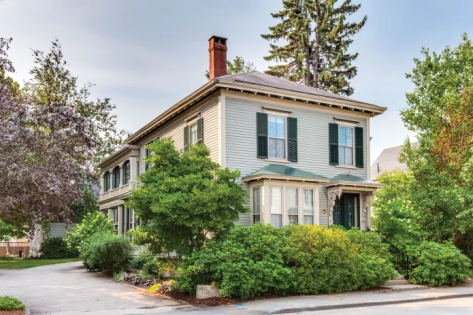
 Amos Read House in Brunswick (Old House Journal photo)
Brunswick, Amos O. Reed House — The 1881 historic Italianate house was dramatically restored by Courtney and Donna Neff, who bought it in 2011. The Neffs have created a warm, inviting home while maintaining and restoring its original historic character. Their remarkable restoration work, featured twice in Old House Journal, has truly been a labor of love. The dignity of Amos Reed’s impressive home has been honored, and once again it holds a place of prominence in historic Brunswick.
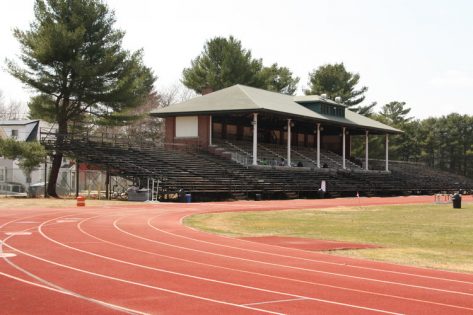 Whittier Field, Bowdoin College (Maine Preservation photo)
Brunswick, Whittier Field at Bowdoin College — Bowdoin College’s National Register listing and rehabilitation of the 1896 Whittier Field Complex has restored key historic elements to one of the most storied collegiate football fields in America while preparing the facility to expand and flourish well into the 21st century.
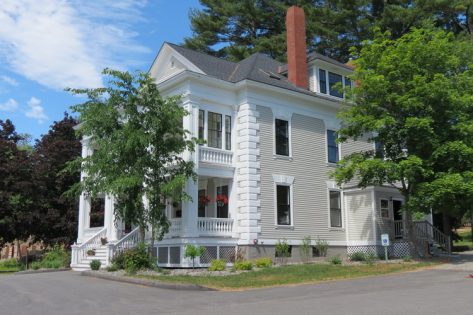 Administration Building, Stevens Commons, Hallowell (Maine Preservation photo)
Hallowell, Administration Building, Stevens Common — The Administration Building at the former Stevens School was designed by Maine architect William R. Miller and constructed between 1905-06. The two-and-a-half story, hip-roofed foursquare is the first rehabilitation project to be completed at the campus. Using state and federal historic tax credits, the building is now professional office space on the first floor with four apartments filling the upper stories.
The city of Hallowell has contributed to the rehabilitation of the campus with more than a half million dollars in infrastructure improvements funded by a citizen-supported bond issue. Mastway Development also worked with the city to create a campus home for the fire station. Now Stevens Commons, this ambitious undertaking is living up to the project’s goals of cultivating community through conservation, restoration, and partnership.
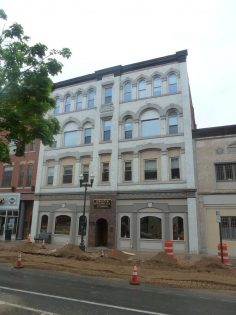 Osgood Building, Lewiston (Maine Preservation photo)
Lewiston, Osgood Building — The Osgood Building and adjoining McGillicuddy Block are the only two surviving commercial structures designed by local architect Jefferson Coburn. The Osgood Building, 129 Lisbon St., one of the only in Maine with white-glazed brick, was restored in a sensitive manner using the effective Maine Small Project Rehabilitation Tax Program. Not only did the project save and revitalize a prized landmark on Lisbon Street, it added tremendous energy to Lewiston’s ongoing renaissance.


