
Since 1992
Print and digital marketing
PHOTO: Different kinds of fire apparatus are needed to tap into the water supply at a fire, depending on the location. (Submitted photo)
By Vicki Schmidt
Most of us admired them when we were kids and a few of us get to enjoy them as adults – firetrucks, or fire apparatus, as we call them in the service, are the only piece of equipment firefighters use every time the tone goes off.
No matter what the call – be it fire, medical, a traffic accident, the smell of fumes, or even a false alarm – apparatus leave the bay to answer the call. The variety of fire apparatus a fire department may have is as varied as the jurisdictions they serve. Cities and some rural towns have apparatus that draw water from pressurized fire hydrants. Urban areas also have “aerial” apparatus, with ladders that can reach many stories high. Rural departments have tankers, (aka tenders) that “draft” water from dry hydrants installed near lakes, ponds, or streams. These tankers then shuttle the water to dump-tanks that firefighters set up near the fire scene. Dump-tanks are “mini ponds” that the attack engines can pump water from and use it to fight the fire. Establishing and managing these rural water supply operations is a highly practiced skill which volunteer firefighters excel.
 Many fire departments also budget for specialty apparatus. If your fire department’s jurisdiction involves lakes, rivers, an ocean, or serves island areas, then fire boats and boats that assist with water rescues are needed. Jurisdictions with airports, or major highways passing through them, also require specialty apparatus to serve the fire and heavy-duty rescue needs of commuter and commercial traffic.
The most important fact people need to know about a firetruck is whether it will fit down their driveway.
While technical standards abound for driveway design, the basic needs for fire apparatus are a driveway that is at least 12 feet wide (20 is ideal) and cleared to a height of 14 feet. The driveway surface must be solid as “first due” attack engines range from 20 to 30 tons. Residential dirt driveways are rarely designed to support heavy apparatus, and for this reason, many fire departments do not allow their larger apparatus to leave a tarred surface. If the town is lucky enough to afford multiple attack apparatus, a smaller firetruck will be used. In these cases, firefighters lay hose lines to pump more water to the scene. Laying these lines takes time and manpower. Having a driveway that can support a fully equipped initial attack fire engine is imperative for saving a home from a fire.
No matter what the size, fire apparatus carry a major price tag. Smaller brush trucks and rapid attack vehicles that carry little water but can easily access camp roads and trails are designed for grass and woods fires. These specialty vehicles are upwards of $130,000 or more when new. A new and well-equipped Type 1 Fire Engine, the type that is needed to fight a residential structure fire easily costs $350,000, with many twice that.
No town could afford to buy, maintain and staff all the apparatus it needs to launch a successful fire attack, especially when victims are trapped, or when fires occur during extreme weather conditions. Maine communities have robust mutual and automatic aid agreements with neighboring towns to help make sure there are fast responses to fires. If you live in a home with a fire sprinkler system, consider yourself fortunate. These systems save hundreds of homes and many lives every year because of their ability to keep the fire small until firefighters can arrive.
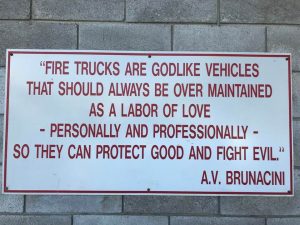
Firefighters spend hours learning to safely drive and operate their trucks, and countless more hours inspecting and maintaining them. We also like to keep our apparatus looking nice. Especially for parades! With summer parade season upon us take the opportunity to learn about your towns’ fire apparatus and the dedicated firefighters who care for them.
Vicki Schmidt is a Maine state fire instructor and volunteers with the Buckfield Fire Department, as well as several regional and state fire training organizations.


